
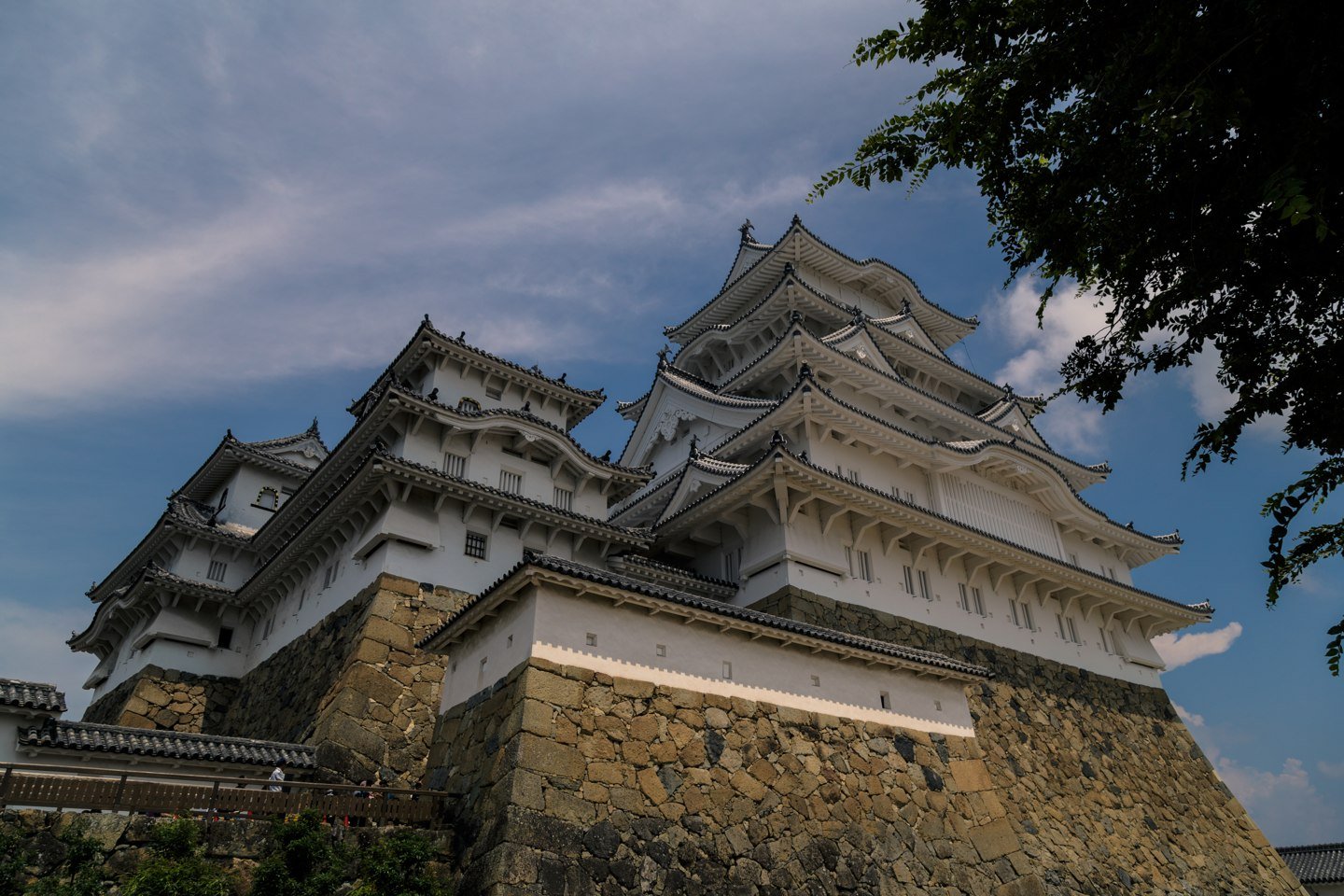
Himeji Castle
姫路城
Read the fortress beyond its skyline
Himeji’s white keep is the starting point, not the whole castle. The official historical guide explains that its defences once extended into neighbourhoods enclosed by moats and embankments. Ikeda Terumasa’s early-seventeenth-century works enlarged both fortress and town. As you move through the site, ask how a gate, wall or change of direction controls movement, rather than looking only for the next clear view of the main tower.
White surfaces, timber structure
The keep is a timber framework of posts and beams, not a solid masonry block hidden by white paint. Himeji’s official guide describes central columns carrying major loads and a twentieth-century restoration in which the keep was dismantled, repaired and reassembled. That makes preservation part of the story: a surviving historic structure can contain carefully renewed material without becoming a newly invented castle.
Compare military and domestic spaces
The West Bailey’s long gallery served more than a defensive purpose. The castle guide connects parts of it with the female attendants of Princess Sen’s household. Looking at the keep alongside the gallery helps separate a castle’s military image from the people and everyday functions it housed. Compare that with Matsumoto’s linked towers: the useful question is how each complex joins different spaces together, not which colour looks more dramatic.
Choose what you need to see
A visit focused on architecture benefits from time for the route and the smaller details, not only the summit of the keep. Use the official visitor information to check entry arrangements, current restrictions and accessibility before deciding how much interior climbing fits your group. This article does not promise an unobstructed route, a particular queue length or access to every building.
Highlights
- Regarded as the finest surviving example of prototypical Japanese castle architecture, a network of 83 structures with advanced defensive systems from the feudal period.
- Its brilliant white exterior earned it the names Hakuro-jo and Shirasagi-jo — White Egret (or White Heron) Castle — from its supposed resemblance to a bird taking flight.
- Ikeda Terumasa rebuilt the castle completely between 1601 and 1609 after Sekigahara; it has remained intact for almost 700 years, surviving even the wartime bombing of Himeji.
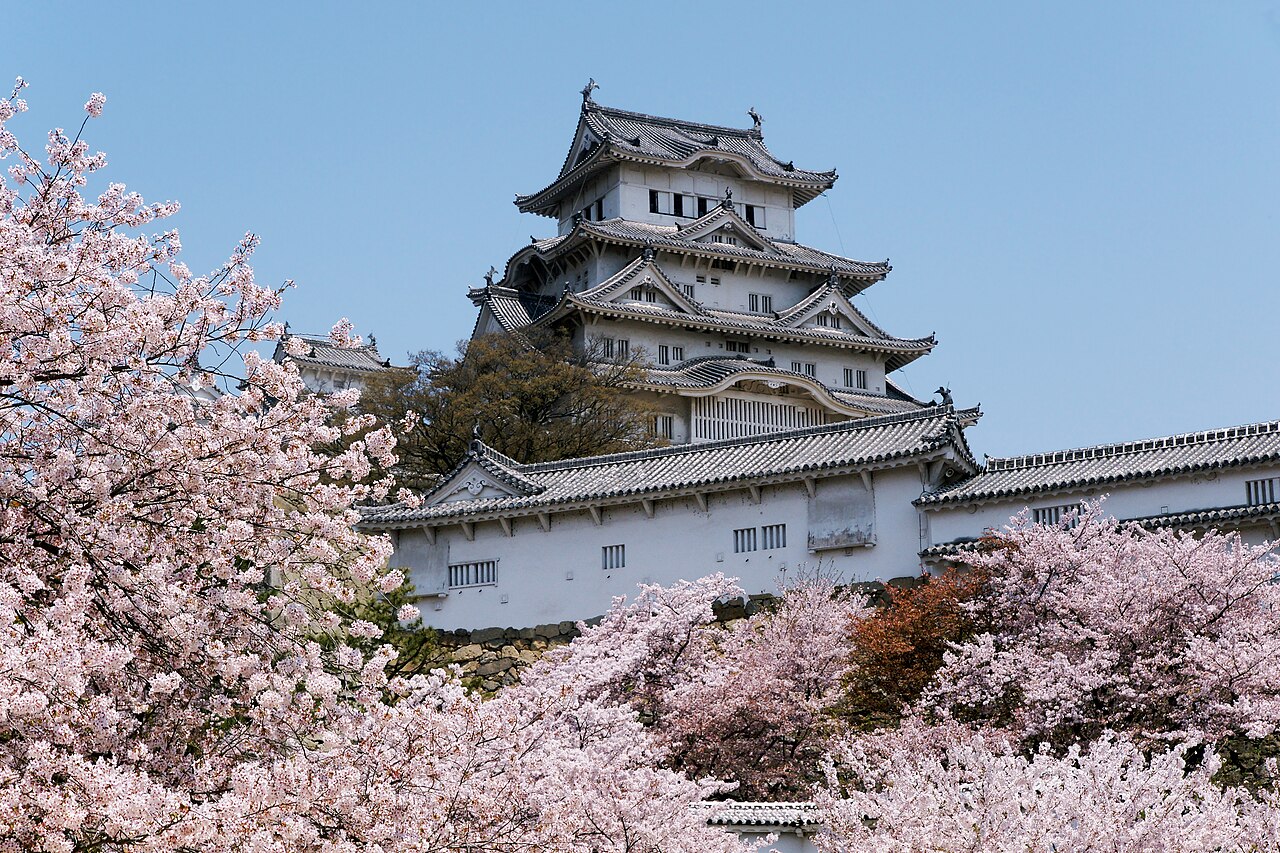
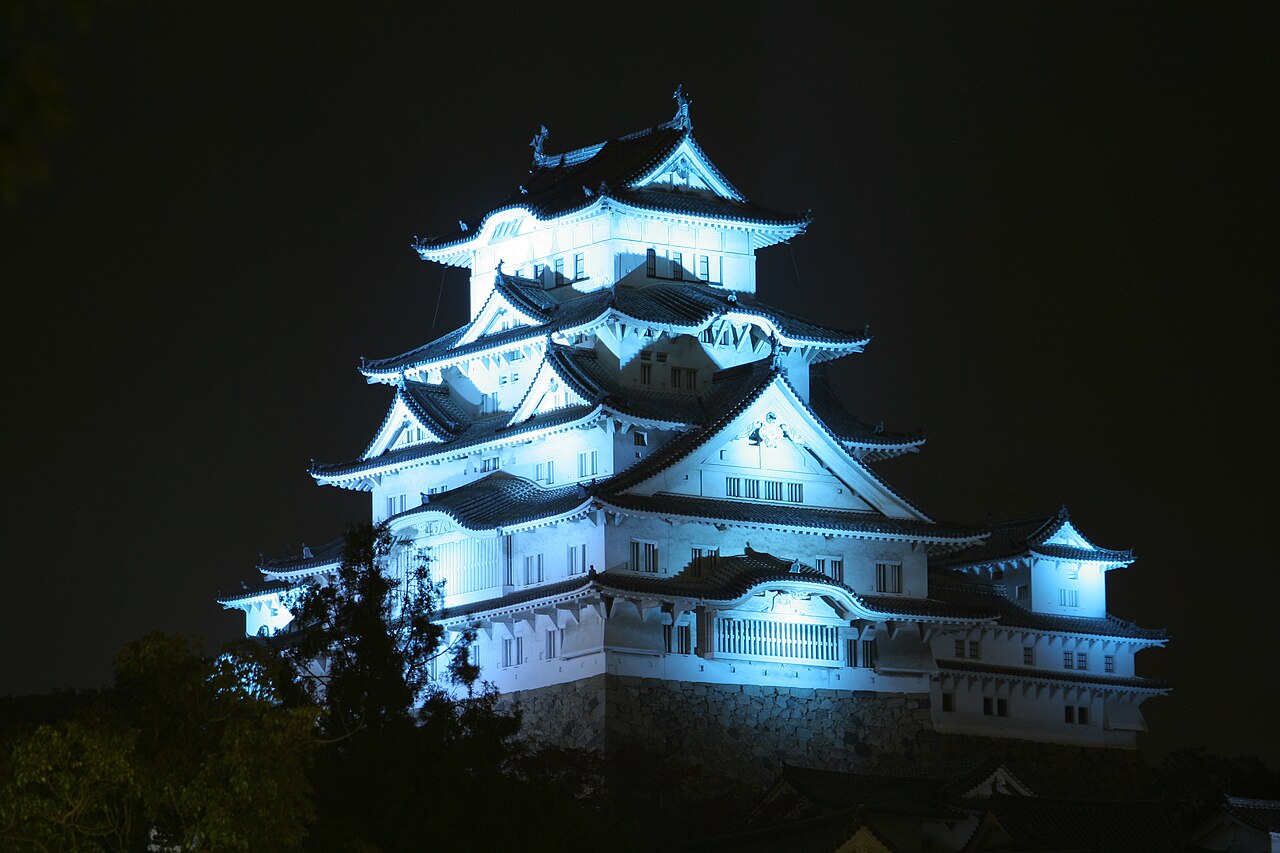
Photographs are served from this site; each caption names its author and licence. Castle facts above are drawn from the castle's Wikipedia article, credited under CC BY-SA in Sources below.
Sources and next steps
Original English guide · Sources reviewed 6 October 2026. Operational details can change.
- DiscoverWhite-plastered timber architecture
- NoticeMajor rebuilding, 1601–1609
- RememberHimeji, Hyogo
Restoration work and access may change. Historic interiors can have steep stairs; check official visitor information before travelling.
Himeji Castle’s main keep, 2016. nobu3withfoxy · CC BY 2.0 · Photo details
Official source · Source checked 2026-10-06 · Original English guide